
Most gold IRA sites are written by the company selling you the gold. Our Retirement Intelligence A briefing breaks down the rules, the red flags, and the real math—so you walk into any conversation already informed.
Gold and silver investing continues to be a popular retirement diversification strategy, and understanding what is a gold IRA can help investors determine whether physical precious metals fit their long-term financial goals. Before opening one of the available gold IRAs, some investors compare providers such as Fidelity Gold IRA options and ask, can Roth IRA invest in gold?, to better understand the rules governing self-directed retirement accounts.
Gold and silver have backed wealth for thousands of years. A Precious Metals IRA lets you hold physical bullion inside a tax-advantaged retirement account — governed by the same IRS rules as your current IRA.
Move funds from an existing 401(k), 403(b), or IRA with no taxes or penalties when done correctly.
Your metals are held in your name at an IRS-approved depository, fully insured against loss or theft.
Precious metals have historically held purchasing power when currencies and equities lose ground.
Most accounts are opened the same day you call — paperwork is handled for you, start to finish.
Transparent, flat-fee pricing with no surprise commissions on your purchase or annual storage.
One person guides your account from rollover through delivery — no call centers, no hand-offs.
An account manager will guide you through a simple application to get your account started. Once your account is active, connect you with a trusted precious metals investmen professional.
Protect your retirement with IRS-approved gold and silver.
Convert eligible retirement funds into physical precious metals that meet strict purity standards and are held through qualified custodians.
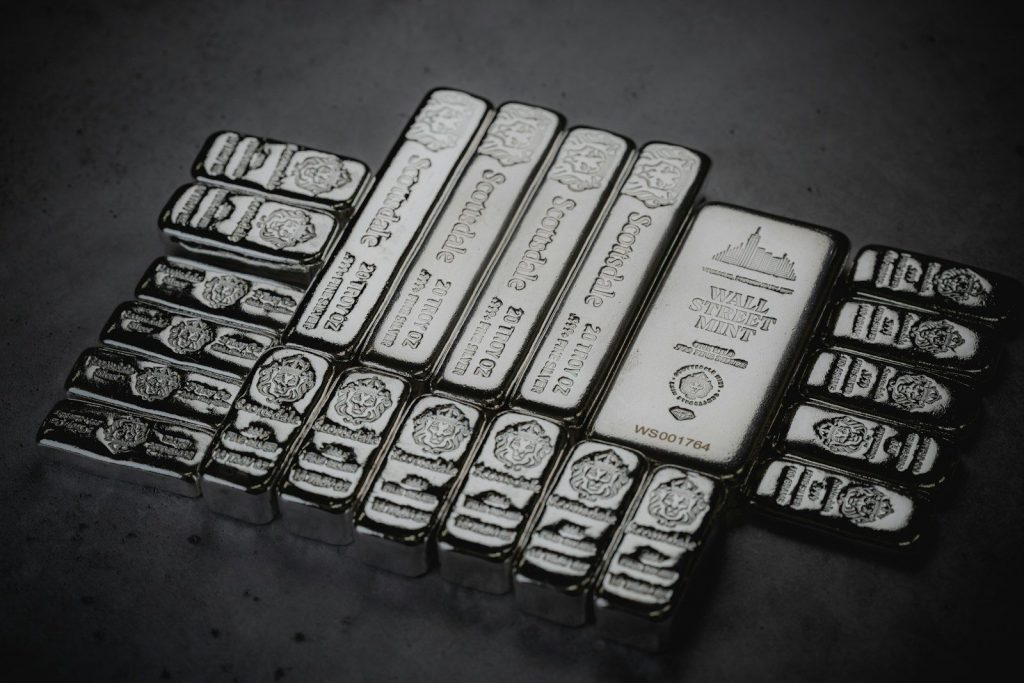
Discover how qualified retirement funds can be rolled over into self-directed precious metal IRAs featuring approved coins and bullion products.
Affiliate Disclosure: We are an affiliate marketing website and may receive compensation from lending partners. We are not a lender, do not make credit decisions, and do not guarantee approval. Loan terms and rates are determined by individual lenders.
Invest in your future today
Retirement planning has changed considerably over the last several decades. While traditional retirement accounts continue to emphasize stocks, bonds, mutual funds, and exchange-traded funds (ETFs), many investors also explore physical precious metals as part of a diversified long-term strategy. Gold and silver have historically served as stores of value, and modern self-directed retirement accounts make it possible to own certain precious metals while preserving the tax advantages associated with eligible retirement plans.
If you’re interested in Gold and silver investing, it’s important to understand what is a gold IRA, how gold IRAs work, whether firms offering Fidelity Gold IRA services meet your needs, and the answer to the common question, can Roth IRA invest in gold? This guide explains the fundamentals while remaining consistent with current IRS rules and established retirement planning practices.
A Gold IRA is a type of self-directed Individual Retirement Account (IRA) that allows investors to own certain IRS-approved physical precious metals.
Unlike traditional brokerage IRAs that typically contain:
a self-directed IRA expands the available investment choices to include qualifying precious metals and certain alternative assets.
Although the investments differ, the retirement account remains subject to IRS rules governing:
Many new investors ask what is a gold IRA before considering precious metals for retirement.
A Gold IRA is simply a self-directed retirement account that owns IRS-approved physical precious metals instead of limiting investments to traditional financial securities.
Eligible metals generally include:
The IRS establishes minimum purity standards for these metals before they qualify for retirement ownership.
Examples commonly include:
Many collectible coins are not eligible.
People invest in precious metals for many different reasons.
Some investors appreciate:
Although gold and silver have maintained value throughout history, their prices fluctuate based on numerous economic factors.
Examples include:
No investment—including precious metals—is guaranteed to increase in value.
Many retirement investors consider Gold and silver investing because the two metals often serve different roles within diversified portfolios.
Gold is frequently viewed as a long-term store of value.
Silver, while also considered a precious metal, has significant industrial applications including:
Because each metal responds differently to changing economic conditions, some investors choose to own both rather than relying exclusively on one.
Understanding gold IRAs begins with learning how the account is established.
Federal regulations require retirement accounts holding physical precious metals to be administered by qualified custodians or trustees.
Typical custodian responsibilities include:
Selecting an experienced custodian is one of the most important decisions during the account setup process.
A self-directed IRA may be funded through:
Each funding method follows specific IRS retirement rules.
After funding the account, eligible precious metals are purchased through authorized dealers working with the custodian.
The metals are shipped directly to an approved depository rather than to the investor.
IRS-owned retirement metals generally must remain inside approved storage facilities.
Professional depositories typically provide:
Many depositories offer both segregated and non-segregated storage options depending upon investor preference.
Some investors researching retirement accounts search for Fidelity Gold IRA options because they are already familiar with Fidelity’s investment services.
Before choosing any financial institution or custodian, investors should determine:
Comparing several providers rather than relying on brand recognition alone can help investors make more informed decisions.
One of the most frequently asked questions is can Roth IRA invest in gold?
In many cases, the answer depends upon the structure of the account.
A conventional Roth IRA offered through a brokerage may not permit direct ownership of physical bullion.
However, a properly established self-directed Roth IRA may hold IRS-approved precious metals when administered by a qualified custodian and stored in an approved depository.
Investors should review current IRS regulations before establishing any retirement account involving physical metals.
Many investors researching Gold and silver investing appreciate several potential advantages.
Precious metals sometimes behave differently than traditional securities during changing market conditions.
Unlike stocks or mutual funds, bullion represents ownership of a physical commodity.
Most retirement investors purchase precious metals with long investment horizons rather than short-term speculation.
Every retirement account involves expenses.
Potential costs include:
Comparing total ownership costs is often more valuable than focusing only on the purchase price of bullion.
Within this article, consider linking to:
For additional educational information, readers may consult:
Choosing the right provider is an important part of retirement planning. While marketing materials can introduce available services, investors should compare objective factors before opening a self-directed precious metals account.
When evaluating providers, consider:
Taking time to compare several companies may help you select the provider that best fits your retirement objectives.
As investors continue researching gold IRAs, they often discover that these accounts function similarly to other IRAs from a tax perspective while differing primarily in the investments they are allowed to hold.
Rather than owning only traditional securities, self-directed accounts may hold qualifying precious metals that satisfy IRS requirements.
Before opening any account, investors should verify:
Understanding these details can help avoid costly mistakes later.
Some investors specifically search for Fidelity Gold IRA information because they already use Fidelity for brokerage or retirement services.
When evaluating any provider, consider asking:
Rather than choosing a provider solely because of name recognition, comparing services, costs, and educational resources is often a better long-term strategy.
Another frequently asked question is can Roth IRA invest in gold?
In many situations, a standard brokerage Roth IRA cannot directly own physical bullion. However, a properly established self-directed Roth IRA may hold IRS-approved precious metals if all IRS rules are followed and the metals are stored through an approved depository.
Because retirement regulations can change, investors should review current IRS guidance before establishing any self-directed retirement account.
Many first-time investors make avoidable mistakes.
Promotional offers should never replace careful research.
Compare:
Bullion prices represent only one portion of ownership costs.
Additional expenses may include:
Understanding total costs allows investors to compare providers more accurately.
Only specific bullion products satisfy IRS retirement requirements.
Always verify eligibility before making purchases.
Although many investors appreciate Gold and silver investing, retirement portfolios often benefit from diversification across multiple asset classes instead of concentrating entirely in one investment category.
Many investors ask what is a gold IRA because the terminology can seem confusing. A Gold IRA is a self-directed retirement account that owns IRS-approved physical precious metals while following the same general tax rules that apply to other eligible retirement accounts.
Yes. Gold IRAs differ primarily in the types of investments they may hold. Traditional brokerage IRAs usually invest in financial securities, while self-directed Gold IRAs may own qualifying physical precious metals.
Investors researching Fidelity Gold IRA options should review Fidelity’s current account offerings directly, since available products and services may change over time. If physical bullion ownership is desired, confirm whether a self-directed IRA arrangement is required.
The answer to can Roth IRA invest in gold? depends on the structure of the account. A properly established self-directed Roth IRA may hold IRS-approved physical precious metals when all IRS requirements are satisfied.
Many investors choose Gold and silver investing because precious metals may provide diversification alongside traditional retirement assets. Gold and silver, however, remain market-based investments whose prices can rise or fall.
Learning what is a gold IRA is an important first step before considering physical precious metals as part of a retirement strategy. Investors interested in Gold and silver investing should compare custodians, understand IRS rules, review storage requirements, and evaluate all fees before opening an account.
Researching gold IRAs, comparing available Fidelity Gold IRA options where applicable, and understanding can Roth IRA invest in gold? can help investors make informed decisions that fit their own retirement goals. Precious metals may play a useful role in diversification, but they should always be considered alongside an overall investment plan and individual financial circumstances.
Example comparison criteria for educational purposes only.
Disclaimer: The chart above is an educational illustration only. The values are examples used to demonstrate common comparison criteria and are not based on survey data, rankings, or investment performance.